The first thing that comes to our thoughts is that it is damaging and requires to be kept away from when we believe about alcohol or alcoholism. People ingest drinks for any number of purposes, and if they do not step back at the right time, it can provoke alcohol addiction. The starting stage of this is gradual and can not be judged before there are some warning signs from the habits of an alcoholic.--------rasputin
* Addiction:
drunks
You are unquestionably on the verge of ripening into an alcoholic if you can't do anything without drinking alcohol or you require it for doing things that a typical person can easily accomplish. If you understand the detrimental effects of alcohol on your health and wellness, work, and family or private life, and still cannot quit drinking it, you are getting heavily addicted to it. Despite regular therapy by a medical professional and a favorable willpower to quit drinking, if an individual is still not able to quit the drinking, it is additionally a warning symptom of alcohol dependence. Intense desire for drinks in the upon waking also offers a notion about the level of addiction.
* Drinking Secretly:
People frequently drink alcohol to get rid of their stress or despair, and they accomplish this by drinking alcohol in a place where nobody can watch them. They also utilize alcohol consumption as a means of lowering psychological pressure, dissatisfaction, and loneliness.
* Negative Reputation:
If you are being called an alcoholic by people, you need to step back from drinking, as it may damage your credibility at home and result in arguments and fights. It might additionally result in problems with buddies and/or disputes at the workplace. You are heading in the direction of alcohol dependence if people think negative about you because of your drinking alcohol practices.
* Hunting for a chance to Consume alcohol:

You are probably an alcoholic if you always find a few way or the other to drink. If your close friends speak about going to a celebration, trip, or an overnight stay, and the primary thing that enters your thoughts is the availability of alcohol or a great opportunity to consume alcohol, it is also a red flag that you are becoming dependent on it.
* Transformation in Habits:
Regular consumption of alcohol can have a bad repercussions on your body as well as brain. A few common signs of alcohol addiction are low appetite, temporary memory loss or inability to recall things, unconsciousness, insomnia, loss of command over body, and weight loss.
* Hiding Alcoholic Drink:
If you are terrified of revealing your liking for alcohol to people and conceal it in places like the car, personal closet, bathroom, and so on, it too means that you are getting dependent to it.
* Spending Hours at the Tavern:
It is also a sign of alcoholism if you while away longer time at the pub to drink than you did before.
* Less Interest in Recreation:
A person who is on the verge of being an alcoholic would unfailingly show less interest in a pastime or any type of positive endeavor.
* Neglected Look:
A person who starts consuming alcohol would care less about his/her body posture, personal hygiene, and grooming. Such sort of negative factors are also symptoms that identify with alcohol abuse.
* Workplace Issues:
Warning symptoms of alcohol dependence can also be identified by factors like unsatisfactory work productivity, accusing others for one's own blunders, missing out on vital meetings and appointments, issues at work due to hangovers, and arriving tardy for work remarkably often.
rasputin
Raging Alcoholic
When we think about alcohol or alcohol addiction, the first thing that comes to our mind is that it is negative and needs to be avoided. People consume drinks for numerous different reasons, and if they don't slow down at the appropriate time, it can result in alcohol addiction. Despite routine therapy by a medical professional and a favorable determination to quit drinking, if one is still unable to stop the consumption, it is as well a warning signal of alcohol addiction. If people think bad about you just because of your alcohol consumption practices, you are heading towards alcohol dependence.
Some typical signals of alcoholism are low appetite, temporary memory loss or failure to remember things, unconsciousness, insomnia, loss of control over body, and loss of weight.

2O Reasons To Quit Consuming Alcohol Today
Alcoholism is a chronic and fatal condition. After long term exposure to alcohol, the brain adapts to the changes alcohol creates and eventually becomes reliant on it. The craving for alcohol may be as strong as the requirement for food and water.
Consuming alcohol in moderate quantities may not be injurious to your physical health. A woman may have 1 drink each day and a man may have 2 to 3 alcoholic beverages daily. However the usage ought to not exceed these levels. Heavy consuming alcohol is the leading reason for premature deaths in a number of countries like Finland, United States and so on. And females are at a higher threat of diseases of the liver and certain kinds of cancer than males.
rasputin
Listed here are a number of excuses to stop drinking:
Alcohol is hurtful for your blood pressure. Even non-abusive quantities of alcohol can cause the blood pressure to rise, most especially in more mature persons.
Problem drinkers are more vulnerable to liver conditions. It may trigger varicose veins in the stomach lining which may swell up due to liver obstruction and suddenly ruptured. The bleeding can be extremely challenging to quit.
It damages your body's defenses. Chronic drinkers have weak immune systems and are far more susceptible to infections, allergies, and diseases. Their injuries likewise take more time to regenerate than normal.
Heavy drinking may make your bones weak and help make you extra prone to bone illnesses.
Consuming alcohol can hinder the development of new bone tissues and cause low bone mass.
Problem drinkers have a higher risk of infection after a heart surgical operations. Long-term alcoholics are 4 times more likely to develop post-operative infections following cardiac surgery than nonalcoholic patients.
Alcohol upsets your body's body clock. Alcohol impacts your heart rate, body temperature level, hormone levels and pain threshold. Drinking alcohol may have unfavorable repercussions on these biological rhythms. Alcoholics also do not eat properly and have interrupted sleep at nights, thereby impacting their health in the long run. Long-term effects of consuming alcohol are permanent damage to important organs such as the brain and liver. Drinking alcohol results in bad memory and coordination, poor judgment, slowed reflexes or even blackouts.
Moms who drink alcohol while pregnant give birth to infants suffering from fetal alcohol syndrome (FAS). These children may suffer from mental retardation and other irreversible physical abnormalities.
Furthermore, research shows that kids of alcoholic mothers and fathers are at higher risk than other youngsters of becoming alcoholics.
Alcohol is frequently related to
Obesity. Alcoholics are typically overweight due to the fact that alcohol has lots of calories, so, even some alcoholic beverages a day will likely fatten you up in no time at all. And alcohol has no vital nutrients like minerals and vitamins.
Alcohol cause irregular heart beat. It increases the danger of developing a certain variety of irregular heart beat, known as atrial fibrillation, or atrial flutter.
Alcohol can act as a 'Blood Thinner'. Drinking even moderate quantities of alcohol may impact blood coagulation and act as a blood thinner.
Research reveals that heavy drinkers are commonly also heavy cigarette smokers.

Alcoholics often struggle with clinical depression and tension.
Alcoholics may have severe sleep disorders and those who are trying to give up, may likewise experience these sleep issues for numerous months after quitting.
Alcohol might hurt the thyroid function in females.
Alcohol is detrimental for your sexuality. It gives a high probability for sexual dysfunctions that may cause impotence and erection problems.
Alcoholism makes you more prone to violent and abusive behavior.
Alcohol likewise enhances the threats of domestic violence, like child abuse and collisions while driving. Alcohol consumption makes your mind temporarily a little crazy and you may not realize what you are doing. Hence there are more possibilities of sexual violence.|Alcohol likewise increases the risks of domestic violence, child abuse and collisions while driving. Alcohol consumption makes your mind temporarily a little crazy and you might not realize what you are doing.
You might additionally struggle with a hangover after ingesting significant amounts of alcohol. You may experience headache, nausea, tiredness, dizziness, and thirst.
Long term use of alcohol might cause dependency (addiction to alcohol).
And abrupt stopping may produce withdrawal signs, consisting of severe anxiety, hallucinations, tremblings and convulsions.
After long term exposure to alcohol, your brain adapts to the modifications alcohol creates and comes to be reliant on it. Drinking alcohol in moderate amounts might not be injurious for your physical health. Consuming alcohol may have unfavorable effects on these biological rhythms. Alcoholics are normally obese since alcohol is full of calories, so, even a few alcoholic beverages a day will probably fatten you up in no time. Alcohol also enhances the threats of domestic violence, child abuse and crashes while driving.
rasputin
2O Excuses To Stop Consuming Alcohol Immediately
Alcohol addiction is a chronic and deadly illness. After prolonged exposure to alcohol, your brain adjusts to the changes alcohol creates and eventually becomes dependent on it. The craving for alcohol may be as strong as the need for water and food.
Consuming alcohol in moderate amounts may not be injurious to your physical health. A woman can have 1 beverage per day and a male http://alcoholism.net/ can have 2 to 3 drinks per day.
Here are a number of excuses to quit consuming alcohol:
Alcohol is bad for your blood pressure. Even modest quantities of alcohol may cause the blood pressure to rise, particularly in older adults.
Alcoholics are more vulnerable to liver disease. It can cause varicose veins in the stomach lining which might inflate due to liver obstruction and suddenly ruptured. The bleeding can be very troublesome to stop.
It deteriorates your body's defenses. Chronic drinkers have weaker immune systems and are more susceptible to infections, allergies, and diseases. Their injuries also take more time to heal than usual.
Heavy alcohol consumption may make your bones weak and make you more prone to bone disease.
Consuming alcohol can inhibit the development of fresh bone tissues and induce low bone mass.
Alcoholics have a greater risk of infection after a heart surgery. Chronic alcoholics are 4 times more likely to get post-operative infections following cardiac surgery than nonalcoholic patients.
Alcohol upsets your body's biological rhythms. Alcohol influences your heart rate, body temperature, hormone levels and pain limit. Drinking alcohol may have unfavorable effects on these biological rhythms. Alcoholics also do not eat properly and have interrupted sleep during the night, thereby affecting their health in the long run. Long-lasting effects of consuming alcohol are irreversible damage to important organs such as the brain and liver. Drinking alcohol leads to poor memory and coordination, bad judgment, slowed reflexes or even blackouts.
Moms who drink alcohol while pregnant give birth to infants experiencing fetal alcohol syndrome (FAS). These children may struggle with mental retardation and other permanent physical abnormalities.
Additionally, research suggests that kids of alcoholic mothers and fathers are at greater danger than other youngsters of eventually becoming alcoholics.
everything on alcohol abuse
Alcohol is typically connected with
Obesity. Alcoholics are typically overweight due to the fact that alcohol is full of calories, so, even some drinks a day will fatten you up in no time. And alcohol has no necessary nutrients like minerals and vitamins.
Alcohol cause irregular heart beat. It increases the risk of developing a specific variety of irregular heart beat, known as atrial fibrillation, or atrial flutter.
Do you abuse alcohol
Alcohol may function as a 'Blood Thinner'. Consuming even moderate amounts of alcohol can impact blood coagulation and function as a blood thinner.
Research shows that heavy drinkers are commonly also heavy smokers.

Alcoholics often experience depression and anxiety.
Alcoholics may have extreme sleep conditions and those who are trying to give up, may also struggle with these sleep problems for many months after quitting.
Alcohol may harm the thyroid function in females.
Alcohol is injurious for your sexuality. It provides a high probability for sexual dysfunctions that may lead to impotence and erection problems.
Alcohol addiction makes you more prone to abusive and violent behavior.
Alcohol also increases the dangers of domestic violence, like child abuse and accidents while driving. Alcohol consumption makes your mind temporarily a little insane and you might not realize exactly what you are doing. For this reason there are more chances of sexual violence.|Alcohol also enhances the risks of domestic violence, child abuse and crashes while driving. Alcohol consumption makes your mind temporarily a little insane and you may not recognize what you are doing.
You might also experience a hangover after ingesting substantial amounts of alcohol. You may experience headache, queasiness, fatigue, thirst, and dizziness.
Extended usage of alcohol may result in dependency (alcohol addiction).
And abrupt quiting might produce withdrawal symptoms, including severe anxiety, tremblings, hallucinations and convulsions.
After extended exposure to alcohol, your brain adapts to the changes alcohol produces and comes to be reliant on it. Consuming alcohol in moderate quantities might not be bad for your physical health. Consuming alcohol can have negative consequences on these biological rhythms. Alcoholics are usually overweight since alcohol is full of calories, so, even a couple of alcoholic beverages a day will likely fatten you up in no time. Alcohol also enhances the dangers of domestic violence, child abuse and crashes while driving.
Withdrawal Onset
Onset of alcohol withdrawal typically begins 6-- 24 hours after the last drink. But what can you anticipate in terms of moderate alcohol withdrawal conditions vs. extreme conditions and their duration?
Alcohol Detoxification Duration And Length
Alcohol withdrawal symptoms: for how long?
drunkards
The duration, length, and severity of alcohol detoxification all depend on individual factors like: degree of alcoholism, personal physical health, age, sex, and so on. Nevertheless, some general rationales are present during alcohol detox, as well. For less extreme cases of alcohol dependency, a full detox from alcohol is typically quick, and ends after two to three days without treatment. Infrequently, detox can continue for as much as 14 days.
How long after your last drink do signs and symptoms of alcohol detox start?
Detoxification can take place when the blood alcohol concentration is decreasing, even if an individual is still drunk. The beginning of alcohol detoxing is typically 6-- 24 hours after the last https://www.nlm.nih.gov/medlineplus/ency/article/000944.htm alcoholic beverage. Ingesting opiates or sedatives may delay the beginning of the detoxification process.
Alcohol Detox Timetable
Alcohol detoxification duration commonly lasts from roughly 5-14 days depending on how long the patient has been drinking. This depends on lots of elements. The intensity of alcohol detoxs also is determined on the number of alcoholic beverages per day, the total number and intensity of past withdrawal incidents, usage of tranquillizing drugs, and the number of health issue.
Stage One: 0-72 hours
When does alcohol detoxification begin?
Between 0- 72 hours of an alcohol detoxification, standard conditions can happen. Preliminary symptoms consist of tremor, anxiety, sleeping disorders, uneasyness, and nausea. These signs and symptoms usually subside without treatment after a couple of days in people just mildly dependent on alcohol. However, more severe withdrawal conditions happen in approximately 10 % of people experiencing alcohol detox. These signs and symptoms can include:
high temperature
to see more
increased blood pressure
amplified body temperature
boosted breathing speed
raised pulse
profuse sweating
rapid breathing
seizures
tremors
In cases of extreme alcohol dependence, extreme symptoms start to manifest early on. Convulsion spells or seizures typically start early in the detox process, roughly 7-24 hours after the last drink of alcohol, and do not always happen in a solitary episode. Seizures may manifest in people of any age and are followed by muscle group contractions and possible loss of consciousness. People with a previous record of severe alcohol withdrawal ought to be monitored regularly throughout this process.

2nd phase: 2-- 5 days
During the first week of alcohol detoxing, other forms of severe conditions can take place, including delirium tremens ("the DTs"). Delirium tremens is the most severe kind of alcohol detox syndrome, and medical intervention is needed. It generally establishes 2-- 5 days after ceasing or considerably lowering alcohol usage. This state of the body includes severe conditions, extreme uneasyness or agitation, autonomic nervous system instability, significant tremor, confusion and disorientation, paranoid ideation, hallucinations (any senses). Its moderate symptoms are: anxiety, shakiness depression, mood swings, nightmares, not believing plainly.
How Long To Detox From Alcohol?
Alcohol detoxification period usually lasts from 5-14 days but signs and symptoms can persist for weeks or months after detoxing, depending upon how long the client has actually been drinking and the stage of alcohol dependence. In fact, some individuals may experience extended fatigue, sleep problems, mood instability, minimized sexual interest, and hostility for weeks after their last drink. This subset of symptoms are called "protracted/post-acute" withdrawal symptoms (PAWS).
Severe conditions of withdrawal happen at the beginning of the detoxification duration, and they last for about 2 weeks. After this period, people may experience lengthy withdrawal conditions that last for a significant period of time. Medical research suggests that a protracted withdrawal syndrome can develop following acute withdrawal and can persist for at least 1 year after your last alcoholic beverage. Common PAWS symptoms include:
anxiety
decreased energy
decreased metabolism
depression
belligerence
reduced sexual interest
sleep interruption
tremors
Hangovers Suck
The term hangover refers to a constellation of unpleasant and uncomfortable signs that can develop after consuming excessive alcohol. Those signs can range from mild pain to the more serious symptoms explained above.
There is no set quantity of alcohol that will certainly cause a hangover, since each individual reacts to alcohol in a different way, but usually, the more you needed to drink, the more serious the hangover signs.
The Symptoms of a Hangover
The majority of the unpleasant symptoms experienced throughout a hangover are caused by 2 elements: the diuretic alcohol impact that triggers the enthusiast to end up being dehydrated, and the hazardous results of alcohol poisoning of many systems of the body.
Excessive amounts of alcohol can impact the liver, the brain, the gastrointestinal system, the main nervous system and sensory perception. It can disrupt your sleep and other body rhythms, affect your mood and affect your attention and concentration.
"Hangover Symptoms".
The Reasons for a Hangover.
The majority of the signs experienced during a hangover are caused by the direct result of alcohol on the body's systems, as discussed above, but there are numerous other elements that can contribute to the discomfort of a hangover that are not direct results of the alcohol taken in.
Hangover signs can also be caused by the withdrawal of alcohol from the body, the effects of metabolites produced when alcohol is consumed, other chemicals discovered in alcoholic beverages, habits related to drinking and personal characteristics of the drinker.
"Hangover Causes".
stop drinking
The Cure for Hangovers.

There are many traditional practices that are thought to minimize hangover symptoms, but some of them are unfounded myths that actually do not help much at all. There are some practices that can actually make matters worse.
Left alone, hangover signs will go away on their own within eight to 1 Day, however when your head is pounding and the living room is spinning, any treatment that can bring relief can seem like a good idea.
"Hangover Cures".
abuse of alcohol
Preventing a Hangover.
The very best treatment for a hangover is to never ever get one in the first place. Individuals who drink nonalcoholic drinks do not get hangovers, and generally speaking, those who drink moderate amounts-- one drink a day for females and no more than two a day for men-- do not experience hangover signs.
If you consume any alcohol at all, however, you can experience unfavorable effects the next morning. Although there is no sure way to eliminate all of the unpleasantness of a hangover, there are steps that you can bring to lower the extent of the signs.
"Hangover Prevention".
The Hangover as a Deterrent.
For lots of people who experience a specifically severe hangover, it can be the inspiration to never ever consume exceedingly once more. It takes place every day: somebody has a very disappointment after drinking too much and they simply decide to quit drinking and they never ever drink again.
Others, however, continue to drink regardless of repeated http://www.soberrecovery.com/forums/alcoholism/ bouts with serious hangover symptoms. Remaining to consume regardless of unfavorable repercussions can be indicator of alcohol addiction or alcoholism or, at least, alcohol abuse. Heavy drinkers who have testified themselves "never ever again" during a hangover, however return to drinking a short time later, have, by definition, a drinking problem.
Dealing with an Alcoholic in Recovery.
Alcohol and substance abuse not only influences the individual with the issue but also the entire family.
The National Institute on Drug Abuse specifies that an important part of a tailored substance abuse treatment program is to address every aspect of life.
1. Be Conscious of Extended Issues
It is very important to understand that, while your family member may have successfully completed treatment, the effects of addiction might continue to impact the remainder of the family for a long period of time.
As a result of the addiction, you may face recurring hardships, like:
Monetary troubles.
Health issues.
Relationship problems.
2. Become Knowledgeable & Remain Engaged
In most cases, substance abuse considerably alters the lives of all those close to the abuser, none more so than the immediate family. Consequently, the family frequently requires support too. Many drug and alcohol treatment centers offer education for family members on subjects such as how dependency works and ways to handle stress. These programs are essential to reestablishing the health and wellness of the family unit after dependency.
It is crucial that the entire family be involved in the treatment along with the recovery process. To do this, the family will have to discover the very best methods to support the recovering addict once the treatment program has actually finished. Agreeing to take part in family education is a fantastic way to support the addicts recovery.
3. Support Sobriety
http://knottyphantom9963.jigsy.com/entries/general/what-exactly-is-alcohol-withdrawal-syndrome

Among the most important things that a family needs to be aware of when living with an alcoholic or drug user who's in recovery is the significance of family members maintaining an alcohol- or drug-free and sober way of life.
http://youthfulkit9408.postbit.com/just-what-is-alcohol-withdrawal-syndrome.html
Keeping somebody in recuperation away from the temptation of using is necessary, particularly in the first year of recovery. This is why many people choose inpatient programs they get the addict far from the environment where they were using. If you have alcohol and medications in the house, the temptation can be too much for someone trying to remain sober.
For recuperation to work, the entire family should be dedicated to it. Ideally, a house should be entirely emptied of any substances that could be envigorating. If your family has actually always kept alcohol or other substances on hand for gatherings or special events, it is very important to bear in mind that it might be needed for everybody to set up a way of life change to support a loved one throughout recovery.
4. Acquire Support for Yourself.
Just as the person in recuperation will certainly require assistance from family and friends, it will also be important for relative to have support. Many family support groups can supply support to assist individuals handle the emotional and physical stress that can accompany supporting an individual in recovery. Looking for assistance on your own can also have an additional benefit. When your recuperating relative witnesses you requesting assistance, they might be most likely to seek support by themselves in the form of recovery and aftercare support services.
5. Decrease Stress and anxiety.
Recovering alcoholics and drug abuser http://onlinelibrary.wiley.com/journal/10.1111/(ISSN)1530-0277 may be more susceptible to stress and, in turn, to regressions. A few of the most typical sources for stress and anxiety amongst people in recuperation consist of:.
Family disputes.
Relationships.
Work.
School.
Health issues.
Financial resources.
Understanding exactly what to expect and the best ways to assist a recovering alcoholic or druggie proceed with recovery can prove to be useful. As much as you can, assist your loved one keep stress and anxiety down by assisting them toward resources that can aid with these stress, such as relationship therapy, adult education, treatment, etc. Other tested sources of stress-relief include:.
Journaling.
Practicing meditation.
Exercising.
Breathing steadily.
Remember that you need to not expect recovering drug user or alcoholics to act perfectly when they initially leave their dependency recovery centers. They will frequently require time to adapt to life beyond treatment.
rasputin
sons of liberty
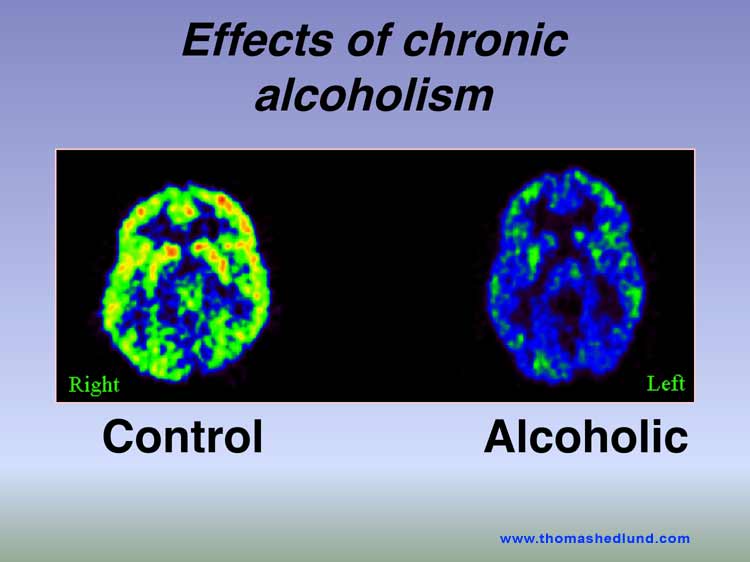
Alcohol Can Cause Alterations In The Architecture And Operation Of The Growing Brain
Alcohol consumption can cause changes in the structure and function of the developing brain, which continues to grow into an individual's mid 20s, and it might have repercussions reaching far beyond adolescence.
In adolescence, brain development is identified by dramatic changes to the brain's structure, neuron connectivity ("electrical wiring"), and physiology. These changes in the brain affect everything from developing sexuality to emotionality and judgment.
Not all portions of the juvenile brain mature concurrently, which may put a youth at a disadvantage in certain circumstances. For example, the limbic regions of the brain mature earlier than the frontal lobes. The limbic areas regulate emotions and are associated with a juvenile's reduced level of sensitivity to risk. The frontal lobes are accountable for self-regulation, judgment, reasoning, analytic skills, and impulse control. Differences in maturation amongst parts of the brain can lead to rash choices or acts and a disregard for consequences.
The way Alcohol Affects the Human Brain
Alcohol disturbs an adolescent's brain growth in several ways. The effects of underage alcohol consumption on particular brain functions are discussed below.
Alcohol is a central nervous system sedative drug. Alcohol can appear to be a stimulant because, to begin with, it depresses the part of the brain that regulates inhibitions.
CEREBRAL CORTEX-- Alcohol hinders the cerebral cortex as it works with details from a person's senses.
CENTRAL NERVOUS SYSTEM-- When a person thinks about something he desires his body to undertake, the central nervous system-- the brain and the spinal cord-- sends a signal to that portion of the physical body. Alcohol slows down the central nervous system, making the individual think, speak, and move slower.
FRONTAL LOBES -- The human brain's frontal lobes are essential for advanced planning, creating concepts, making decisions, and using self-control.

When alcohol impacts the frontal lobes of the brain, an individual may find it tough to control his or her feelings and impulses. The individual might act without thinking or may even get violent. Consuming alcohol over a long period of time can damage the frontal lobes forever.
HIPPOCAMPUS-- The hippocampus is the portion of the brain in which memories are made.
When alcohol gets to the hippocampus, an individual might have trouble recalling something he or she just learned, like a name or a phone number. This can happen after just one or two drinks.
Drinking a lot of alcohol quickly can cause a blackout-- not having the ability to recall whole occurrences, like what exactly he or she did last night.
If alcohol injures the hippocampus, an individual might find it tough to learn and to hold on to knowledge.
CEREBELLUM-- The cerebellum is important for coordination, to form thoughts, and focus. An individual may have difficulty with these abilities once alcohol enters the cerebellum. After drinking alcohol, an individual's hands may be so shaky that they cannot touch or get hold of things properly, and they might lose their equilibrium and tumble.
HYPOTHALAMUS-- The hypothalamus is a small part of the brain that does an incredible number of the body's housekeeping tasks. Alcohol upsets the work of the hypothalamus. After a person drinks alcohol, blood pressure, hunger, being thirsty, and the need to urinate intensify while physical body temperature level and heart rate http://www.nytimes.com/health/guides/disease/alcoholism/overview.html decline.
more on alcoholism
Alcohol actually cools down the body. Drinking a lot of alcohol outdoors in cold weather can cause an individual's physical body temperature level to drop below normal.
A person might have difficulty with these skills when alcohol gets in the cerebellum. After consuming alcohol, an individual's hands might be so unsteady that they cannot touch or grab things properly, and they may lose their balance and fall.
info for drunks
After an individual drinks alcohol, blood pressure, appetite, thirst, and the urge to urinate increase while physical body temperature and heart rate decrease.
Alcohol actually chills the physical body. Consuming a lot of alcohol outdoors in cold weather conditions can trigger a person's body temperature to drop below normal.
The Journey to Addiction: Stages of Alcohol dependence
Temperate alcohol consumption isn't a cause for worry in most grownups. When alcohol drinking gets out of control, you might be on a hazardous path to addiction.
The National Institute on Alcohol Abuse and Alcohol dependence (NIAAA) estimates that 18 million Americans have alcohol problems. Alcoholism isn't created over night. It materializes through long-term misusing alcohol.
Understanding the signs and symptoms of each stage can help you in looking for assistance before your problem turns into dependence and alcohol addiction.
Stage # 1: Periodic Abuse and Binge Drinking
The initial stage of alcohol addiction is a basic experimentation with alcohol. These drinkers might be new to different forms of alcohol and likely to check their limitations. This is a common stage seen in younger adults.
for more
These drinkers also regularly participate in binge drinking. While they might not consume alcohol regularly, they take in extremely large amounts of alcohol at one time.Most government agencies categorizeys binge drinking as:
• men who consume alcohol five or more alcoholic beverages within two hours
• females who drink four or more beverages within 2 hours
Many binge drinkers surpass this quantity. This is particularly accurate for teens who participate in drinking parties. You might believe binge drinking is safe when you just do it now and again, yet this couldn't be more inaccurate.
Drinking large amounts of alcohol at one time is unsafe, and can even lead to coma or death. Furthermore, you might end up being dependent on the feeling and find that these episodes amplify in regularity.
Stage # 2: Heightened Drinking
Drinkers leave the experimental stage when their alcohol drinking ends up being more frequent. Instead of simply consuming alcohol at parties once in a while, you might find yourself consuming alcohol every weekend.
Intensified alcohol drinking can also lead to alcohol consumption for these excuses:
• as a reason to get together with good friends
• to alleviate anxiety
• out of boredom
• to combat sadness or isolation
Ordinary alcohol usage is various from moderate drinking. As heightened drinking continues, you become more dependent on alcohol and are at threat of developing alcohol dependence.
Stage # 3: Problem Drinking
Regular, unrestrained alcohol abuse eventually causes problem drinking. While any kind of alcohol abuse is problematic, the term "hard drinker" refers to someone who starts experiencing the effects of their bad habit.
You might become more depressed, anxious, or begin losing sleep. You may start to feel sick from heavy drinking, but take joy in its outcomes way too much to care. Many drinkers at this stage are also more likely to consume alcohol and drive or experience legal problems.
There are also distinctive social transitions related to alcoholism. These include:
• relationship difficulties
Because of unpredictable behavior, • decreased social activity
• unforeseen change in friends
• difficulty speaking with unknown people
Stage # 4: Alcohol Dependency
Alcohol dependence has 2 elements: dependency and addiction. It is possible for an alcoholic to be reliant on alcohol, but not yet addicted to drinking.
Dependency forms after the problem drinking stage. By this time, you have an attachment to alcohol that has actually taken over your ordinary activity. You understand the negative consequences, yet no longer have control over your alcohol consumption.
Alcohol dependence also indicates that you have established a tolerance to alcohol. As a result, you may need to drink greater amounts to get "buzzed" or intoxicated. Amplified alcohol consumption has more harmful effects on the physical body.
problem with alcohol
Another attribute of addiction is withdrawal. As you lower your BAC, you might feel undesirable symptoms like:
• queasiness (not connected to a hangover).
• body tremors
• perspiring
• serious annoyance
Stage # 5: Addiction and Alcohol dependence.

The last stage of alcohol dependence is addiction. You not want to simply consume alcohol for pleasure at this stage. Alcohol addiction is distinguisheded by a physical and a psychological desire to drink.
Alcoholics physically yearn for the substance and are commonly distressed up until they begin consuming alcohol again. Alcoholics might also be addicted to other intoxicating substances http://www.merriam-webster.com/dictionary/alcoholism too.
Compulsive behaviors are prominent in dependency, and alcoholics often drink whenever and wherever they want.
To Conclude:
One of the greatest worries with risky drinkers is when they do not believe they have a problem. Any stage of alcoholism is problematic. Moderate drinking is the only safe way to ingest alcohol, yet drinking in moderation usually is not safe for everybody.
Recognizing problems with alcohol early can help prevent dependency and addiction. Medical treatment might be needed to detoxify the physical body of alcohol and to obtain a new beginning. Given that numerous substance abusers endure psychological issues, person-to-person or group therapy might help in overcoming addiction. The deeper into the stages of alcoholism you go, the tougher it is to stop drinking. Long-term threats of heavy drinking consist of:
• liver damage.
• heart problems.
• brain damage.
• poor nutrition.
• mental health disorders (including amplified threat of suicide).
Alcoholism is affected by both genetic and environmental factors
Alcoholism is influenced by both environmental and genetic factors. Dependencies, particularly addictions to alcohol have the tendency to run in family groups and it is understood that genes contribute in that procedure. Research study has discovered in modern times that individuals who have/had alcoholic mothers and/or fathers are more likely to develop the same disorder themselves. Oddly, men have a higher propensity towards alcoholism in this circumstance than women.
Individuals with lowered inhibitions are at an even greater chance for turning into alcoholics. The 2 principal characteristics for developing into addicted to alcohol stem from having an immediate relative who is an alcoholic and having a high-risk personality. A person with a high-risk personality is one where he or she has reduced inhibitions and thrives on taking chances in most all situations. If a person comes from a family group with one or more problem drinkers and likes to take risks, they should recognize that they are at what is considered elevated risk for turning into an alcoholic.
Do you abuse alcohol
Recent studies have ascertained that genetics performs an essential function in the advancement of alcohol addiction but the precise genes or genetic pathways to addiction have not been found. At this time, it is thought that the inherited predisposition towards alcohol addiction in a person does not guarantee that she or he will turn into an alcoholic but instead simply suggests that those individuals feel the effects of the alcohol more intensely and quickly. In impact, the decision of genetic risk is just a decision of higher chance towards the dependency and not always an indicator of future alcoholism.
There was a gene discovered in 1990 called the DRD2 gene. This is the very first gene that has proven to have any link towards affecting the result of alcohol addiction in human beings. Once more, considering the method this particular gene works, the person with the DRD2 gene would be believed to have a higher pull to the impacts of alcohol compared to someone without the gene but having DRD2 does not ensure alcoholism in the individual.
The immediate desire to detect a gene accountable for alcoholism is due in part to the urgent requirement to help ascertain individuals who are at high chance when they are adolescents. If this can be determined at an early age and kids raised to comprehend that taking that initial drink for them might possibly dispatch them down the roadway to alcohol addiction, it may cut down on the number of alcoholics in the future.
Regardless of a hereditary predilection towards alcoholism, it is still a conscious decision to select to drink and to get intoxicated. It has been said that the individual with the genetic predisposition to alcoholism is an alcoholic at birth whether or not he or she ever consumes alcohol.
take a look
Current academic works have determined that genetics plays a crucial role in the development of alcoholism but the specific genes or inherited paths to addiction have not been discovered. At this time, it is believed that the familial predisposition towards alcoholism in an individual does not guarantee that he or she will turn into an alcoholic but instead simply indicates that those people feel the results of the alcohol more intensely and quickly. Once more, thinking of the way this specific gene works, the individual with the DRD2 gene would be thought to have a higher pull for the effects of alcohol compared to somebody without the gene but having DRD2 does not ensure alcoholism in the individual.
The immediate desire to spot a gene responsible for alcoholism is due in part to the pressing need to assist ascertain people http://www.niaaa.nih.gov/ who are at high chance when they are children.
What Are the Treatments for Alcohol Dependence?
Conventional Medicine for Alcoholism
Treatment for alcohol dependence can begin only when the alcoholic admits that the problem exists and agrees to stop drinking. He or she must realize that alcoholism is curable and should be motivated to change. Treatment has three stages:
Detoxification (detoxing): This could be needed right away after stopping alcohol consumption and could be a medical emergency, considering that detoxification might trigger withdrawal seizures, hallucinations, delirium tremens (DT), and sometimes might result in death.
Rehabilitation: This includes therapy and medications to offer the recovering alcoholic the skills required for maintaining sobriety. This phase in treatment may be conducted inpatient or outpatient. Both are equally successful.
to know more
info for drunks
Maintenance of abstinence: This stage's success mandates the alcoholic to be self-motivated. The key to maintenance is support, which commonly includes regular Alcoholics Anonymous (AA) meetings and obtaining a sponsor.
For a person in an early stage of alcohol addiction, stopping alcohol use may result in some withdrawal manifestations, consisting of stress and anxiety and poor sleep. If not treated appropriately, individuals with DTs have a mortality rate of additional than 10 %, so detoxification from late-stage alcohol addiction must be attempted under the care of a highly trained doctor and might mandate a short inpatient stay at a medical facility or treatment center.
Treatment might include one or additional medicines. These are the most often used medicines during the detoxing stage, at which time they are generally tapered and then stopped.
There are several medicines used to assist individuals in recovery from alcohol dependence sustain sobriety and sobriety. One medication, disulfiram may be used once the detox phase is complete and the individual is abstinent. It interferes with alcohol metabolism http://www.cdc.gov/alcohol/fact-sheets/alcohol-use.htm so that drinking a small level will cause nausea, retching, blurred vision, confusion, and breathing troubles. This pharmaceutical is most appropriate for problem drinkers who are highly driven to stop consuming alcohol or whose pharmaceutical use is monitored, because the medication does not influence the compulsion to drink.
Yet another medicine, naltrexone, reduces the yearning for alcohol. Naltrexone may be supplied even if the individual is still drinking; nevertheless, just like all medications used to remedy alcohol dependence, it is advised as part of an extensive program that teaches patients new coping skills. It is now available as a long-acting injection that can be supplied on a monthly basis. Acamprosate is yet another medicine that has been FDA-approved to lower alcohol yearning.
Research suggests that the anti-seizure medicines topiramate and gabapentin might be of value in decreasing yearning or stress and anxiety throughout rehabilitation from drinking, although neither one of these pharmaceuticals is FDA-approved for the treatment of alcohol dependence.
medicationsAnti-anxietyor Anti-depressants medications may be used to control any resulting or underlying anxiety or depression, but because those symptoms might disappear with sobriety, the pharmaceuticals are typically not begun until after detoxing is complete and there has been some period of sobriety.
The objective of rehabilitation is total sobriety since an alcoholic remains vulnerable to relapse and potentially becoming dependent again. Rehabilitation usually follows a broad-based method, which might include education and learning programs, group therapy, family involvement, and involvement in support groups. Alcoholics Anonymous (AA) is the most renowneded of the support groups, but other approaches have also proved successful.
Diet and Nutrition for Alcohol addiction
Poor health and nutrition goes along with alcohol abuse and alcoholism: Because an ounce of ethyl alcohol (the kind we drink) has over 200 calories but zero nutritionary benefit, consuming big levels of alcohol tells the human body that it doesn't require additional nourishment. Alcoholics are typically lacking in vitamins A, B complex, and C; folic acid; carnitine; magnesium, zinc, and selenium, in addition to vital fatty acids and anti-oxidants. Restoring such nutrients-- by offering thiamine (vitamin B-1) and a multivitamin-- can aid rehabilitation and are a vital part of all detoxing regimens.
At-Home Treatments for Alcoholism
Abstinence is one of the most vital-- and probably one of the most tough-- steps to rehabilitation from alcohol addiction. To learn to live without alcohol, you should:
Steer clear of individuals and locations that make drinking the norm, and find different, non-drinking acquaintances.
Sign up with a self-help group.
Employ the aid of family and friends.
Change your unfavorable reliance on alcohol with positive dependences such as a brand-new leisure activity or volunteer service with church or civic groups.
Start exercising. Physical exercise releases chemicals in the brain that provide a "all-natural high." Even a walk following dinner can be tranquilizing.
Treatment for alcoholism can start only when the alcoholic acknowledges that the issue exists and agrees to quit consuming alcohol. For a person in an early stage of alcoholism, discontinuing alcohol use may result in some withdrawal symptoms, including anxiety and disturbed sleep. If not treated appropriately, people with DTs have a mortality rate of more than 10 %, so detoxing from late-stage alcohol addiction ought to be tried under the care of an experienced doctor and might necessitate a short inpatient stay at a hospital or treatment center.

There are several medicines used to help people in rehabilitation from alcoholism maintain abstinence and sobriety. Poor nutrition goes with heavy alcohol consumption and alcohol addiction: Because an ounce of alcohol has more than 200 calories but no nutritionary value, ingesting big levels of alcohol tells the body that it does not need additional food.
What Are the Treatments methods for Alcohol Dependence?
Conventional Medicine for Alcoholism
When the alcoholic accepts that the problem exists and agrees to quit drinking, treatment options for alcohol dependence can begin. She or he must realize that alcoholism is curable and must be motivated to change. Treatment has 3 stages:
drunkards
Detoxing (detoxing): This http://www.healthgrades.com/conditions/alcoholism could be required immediately after discontinuing alcohol use and could be a medical emergency, considering that detoxification can result in withdrawal seizures, hallucinations, delirium tremens (DT), and in some cases may induce death.
Rehab: This includes counseling and pharmaceuticals to offer the recovering alcoholic the skills needed for maintaining sobriety. This step in treatment can be conducted inpatient or outpatient. Both of these are equally effective.
Maintenance of sobriety: This phase's success requires the alcoholic to be self-motivated. The key to abstinence is moral support, which typically consists of routine Alcoholics Anonymous (AA) meetings and obtaining a sponsor.
For an individual in an early phase of alcohol dependence, ceasing alcohol use might result in some withdrawal manifestations, consisting of stress and anxiety and poor sleep. If not treated appropriately, people with DTs have a death rate of over 10 %, so detoxing from late-stage alcohol dependence should be pursued under the care of a highly trained medical doctor and might require a short inpatient stay at a health center or treatment center.
Treatment options may include one or additional pharmaceuticals. Benzodiazepines are anti-anxiety medications used to treat withdrawal symptoms like stress and anxiety and disrupted sleep and to protect against seizures and delirium. These are one of the most often used medications during the course of the detoxification stage, at which time they are normally tapered and then discontinued. They have to be used with care, since they might be addicting.
There are a number of medicines used to assist individuals in recovery from alcoholism preserve sobriety and sobriety. It conflicts with alcohol metabolism so that consuming alcohol even a small amount is going to trigger nausea, vomiting, blurred vision, confusion, and breathing problems.
Yet another medication, naltrexone, lowers the yearning for alcohol. Naltrexone can be given whether or not the individual is still consuming alcohol; however, just like all pharmaceuticals used to remedy alcoholism, it is recommended as part of a detailed program that teaches patients new coping skills. It is presently offered as a long-acting inoculation that can be given on a monthly basis. Acamprosate is yet another medication that has been FDA-approved to lower alcohol yearning.
Research suggests that the anti-seizure medications topiramate and gabapentin might be of value in lowering yearning or anxiety throughout rehabilitation from drinking, although neither one of these medications is FDA-approved for the treatment of alcohol dependence.
Anti-anxietymedicationsor Anti-depressants drugs may be used to control any resulting or underlying anxiety or depression, but since those symptoms might vanish with abstinence, the medications are usually not started until after detox is finished and there has been some period of abstinence.
is alcohol abusing you
The objective of recovery is overall abstinence since an alcoholic stays vulnerable to relapsing and potentially becoming dependent again. Rehabilitation usually follows a Gestalt approach, which may consist of education programs, group therapy, spouse and children involvement, and involvement in self-help groups. Alcoholics Anonymous (AA) is the most renowneded of the support groups, however other approaches have also proved profitable.
Nourishment and Diet for Alcoholism
Substandard nutrition goes along with heavy drinking and alcoholism: Since an ounce of ethyl alcohol (the kind we drink) has over 200 calories but no nutritionary benefit, ingesting serious quantities of alcohol informs the human body that it does not require more nourishment. Alcoholics are frequently deficient in vitamins A, B complex, and C; folic acid; carnitine; magnesium, selenium, and zinc, in addition to important fatty acids and antioxidants. Restoring such nutrients-- by supplying thiamine (vitamin B-1) and a multivitamin-- can help recovery and are an important part of all detox regimens.
At-Home Treatments for Alcoholism
Sobriety is one of the most essential-- and most likely the most hard-- steps to rehabilitation from alcoholism. To learn how to live without alcohol, you should:
Stay away from individuals and locations that make drinking the norm, and discover new, non-drinking buddies.
Participate in a support group.
to see more
Enlist the help of friends and family.
Change your unfavorable dependence on alcohol with positive reliances like a new leisure activity or volunteer service with church or civic groups.
Start exercising. Exercise releases chemicals in the human brain that supply a "all-natural high." Even a walk following supper may be tranquilizing.
Treatment for alcohol dependence can start only when the problem drinker accepts that the problem exists and agrees to quit consuming alcohol. For a person in an early phase of alcohol addiction, discontinuing alcohol use may result in some withdrawal manifestations, including stress and anxiety and poor sleep. If not remedied professionally, people with DTs have a mortality rate of over 10 %, so detoxification from late-stage alcoholism ought to be attempted under the care of a skillful physician and might mandate a brief inpatient stay at a hospital or treatment center.
There are a number of medications used to assist individuals in rehabilitation from alcoholism maintain abstinence and sobriety. Poor health and nutrition goes with heavy alcohol consumption and alcohol dependence: Since an ounce of alcohol has over 200 calories but no nutritional value, consuming large quantities of alcohol informs the body that it doesn't need more nourishment.
When we consider alcohol or alcohol dependence
The first point that comes to our thoughts is that it is damaging and requires to be kept away from when we think about alcohol or alcoholism. People ingest alcoholic beverages for a variety of purposes, and if they don't step back at the right time, it can result in alcohol addiction. The beginning stage of this is slow-moving and can not be evaluated before there are a few warning indicators from the conduct of an alcoholic.
* Addiction:
You are unquestionably well on your way to becoming an alcoholic if you can't accomplish anything without drinking or you require it for doing things that a normal individual can easily accomplish. If you know the adverse effects of alcohol on your health and wellness, work, and home or private life, and yet can't stop drinking it, you are getting highly addicted to it. Despite routine counseling by a medical professional and a favorable determination to quit drinking, if one is still not able to quit the consumption, it is additionally a warning sign of alcohol dependence. Overwhelming desire for drinks in the morning additionally provides a notion about the level of addiction.
* Consuming alcohol Secretly:
People commonly drink alcohol in order to get rid of their stress or sadness, and they accomplish this by drinking alcohol in a place where nobody can keep tabs on them. They also make use of alcohol consumption as a method of minimizing psychological pressure, dissatisfaction, and solitude.
* Negative Reputation:
http://wallinside.com/post-55078116-alcohol-consumption-can-trigger-alterations-in-the-structure-and-operation-of-the-growing-brain.html
If you are being called an alcoholic by people, you should step back from drinking alcohol, as it may ruin your credibility at home and trigger fights and quarrels. It might additionally result in problems with buddies and/or disputes at the workplace. If people think bad about you as a result of your alcohol consumption practices, you are heading in the direction of alcohol dependence.
* Hunting for an Opportunity to Drink:
You are in all likelihood an alcoholic if you consistently discover a few method or the other to consume alcohol. If your buddies speak about going to a party, getaway, or an over night stay, and the primary thought that comes to your mind is the availability of alcohol or a great opportunity to consume alcohol, it is also a warning sign that you are becoming dependent on it.
* Transformation in Habits:
Regular drinking of alcohol can have a negative repercussions on your body as well as brain. A few common symptoms of alcoholism are low desire for foods, short-term memory loss or failure to recall points, unconsciousness, sleeplessness, loss of command over body, and weight loss.
* Concealed Alcoholic Drink:
If you are terrified of revealing your loving for alcohol to people and hide it in places like the car or truck, your personal drawer, bathroom, and the like, it too suggests that you are getting addicted to it.
Wasting Lots of Time at the Tavern:
It is also an indicator of alcoholism if you spend longer time at the bar to consume alcohol than you did previously.
* Reduced Interest in Leisure Activity:
An individual who is on the verge of being an alcoholic would invariably show less interest in a pastime or any kind of positive endeavor.
* Neglected Appearance:
An individual who starts consuming alcohol would care less about his/her body posture, personal hygiene, and grooming. Such sort of detrimental factors are also indicators that connect to alcohol abuse.
* Workplace Issues:
Warning signals of alcohol dependence can also be identified by things like substandard job productivity, accusing others for one's own blunders, missing vital meetings and appointments, problems at work because of hangovers, and arriving tardy for work quite often.
http://cloisteredshopp98.jimdo.com/2015/10/17/2o-reasons-to-quit-consuming-alcohol-immediately/
When we think about alcohol or alcoholism, the first thing that comes to our thoughts is that it is damaging and needs to be kept away from. People ingest alcoholic beverages for lots of different reasons, and if they don't step back at the right time, it can result in alcohol dependence. Despite routine therapy by a medical professional and a positive determination to stop http://www.niaaa.nih.gov/alcohol-health/overview-alcohol-consumption/alcohol-use-disorders/genetics-alcohol-use-disorders drinking, if one is still not capable to quit the consumption, it is also a caution signal of alcoholism. If people think bad about you because of your drinking patterns, you are heading towards alcohol addiction.
Some common signals of alcoholism are low desire for foods, temporary loss of memory or failure to remember details, unconsciousness, sleeping disorders, loss of command over body, and weight loss.
Things to Anticipate at a Drug and Alcohol Treatment Centers
The alcohol therapy clinics heal the illness of alcohol addiction. These clinics make the technique of defeating alcohol dependency less complicated for the patients. The therapy facilities comply with some essential guidelines to assist the client recuperate from alcoholism.
Detoxification: Alcohol detoxification or 'detox' is the procedure of cleaning the patient's body by extracting the contaminants. Depending upon the level of addiction, the detox can be a smooth or it can be a very unpleasant technique for the client to follow.
Withdrawal: These are the manifestations that comply with the process of detoxification. Since the patient's system (mind and body ) is used to the presence of alcohol, unexpectedly stopping the consumption of alcohol produces a type of 'vacuum'. The client may encounter symptoms such as seizures, tremblings, hallucination and high fever. The withdrawal manifestations typically strong-arm the patient to return to the initial state of alcohol dependence. Therefore, handling these symptoms might be an unpleasant task for the patient even under strict oversight.
Recognizing the Source: In addition to medical treatment, the therapy facilities in addition focus on the mentality of the client. Numerous factors are incorporated at the bottom of the man or woman to drink too much. Treating the physical body of a a person dependent on alcohol is simply the start. The real treatment starts after that. Recognizing and addressing the behavioral and psychological problems of the client is the key to hold the person away from any type of relapse.
Types of Alcohol Therapy Centers
There are lots of centers working in the area of alcohol rehab. With the increase in the abuse of alcohol among the public and especially teenagers, efforts are being made too treat alcoholics.
heavy drinking
In Patient Therapy Centers: In these centers, the client will have to reside under the supervision of physicians.
Out Patient Treatment Clinics: The clients have to participate in regular meetings at the centers apart from following a strict routine to overcome alcohol addiction. The system is, however, not suitable for clients suffering from chronic alcohol dependence.
Teen Alcohol Treatment Facilities: Teens undergo significant physiological and mental changes. For this reason, treatment clinics for teenagers ought to be different from those for grownups. These facilities not solely assist in detoxifying the physical body, however also assist the teens in defeating various emotional problems. The treatment might assist develop self-confidence and altogether alter the outlook of the client to life.
follow me
Christian Alcohol Treatment Clinics: A fairly new and groundbreaking concept in treating alcohol abuse, the Christian alcohol therapy is also referred to as a 'faith based system'.

Alcohol treatment facilities play an essential function in the recovery of the addicted. It is observed that clients who finish the treatment programs have rarely regressed back to alcohol addiction. It would be suitable to say that, no matter how effectively a therapy program is designed, rehabilitation from alcohol addiction is possible only if the patient takes the necessary efforts to keep the habit of alcohol usage at bay.
The treatment clinics follow some crucial steps to assist the client recuperate from alcohol dependence.
Since the patient's system mind and body is accustomed to the presence of alcohol, all of a sudden stopping the consumption of alcohol creates a kind of 'vacuum'. Recognizing the Root Cause: Along with medical treatment, the treatment facilities in addition focus on the mindset of the patient. Out http://www.nytimes.com/health/guides/disease/alcoholism/print.html Client Therapy Centers: The clients have to go to regular meetings at the clinics apart from complying with a rigorous routine to triumph alcoholism. It would be appropriate to state that, no matter how proficiently a treatment program is designed, rehabilitation from alcohol addiction is possible solely if the client takes the requisite efforts to keep the habit of alcohol consumption at bay.
Abusing Alcohol is Harmful
Alcohol Abuse
Alcohol abuse is defined as a pattern of drinking alcohol that produces one or more of the following scenarios within a 12-month period of time:
Inability to fulfill significant work, school, or household responsibilities
Drinking in circumstances that are physically unsafe, like while operating an automobile or running machinery
Having recurring alcohol related legal problems, such as being detained for driving intoxicated of alcohol or for physically injuring someone while drunk
Continued alcohol consumption regardless of having ongoing relationship troubles that are caused or worsened by the drinking.
Alcohol dependency, or alcohol dependence, is the most severe kind of alcohol abuse. It is a chronic illness defined by the consumption of alcohol at a level that interferes with physical and mental health and well-being and with family and social responsibilities. An alcoholic will likely continue to drink regardless of significant health, household, or legal issues.
Alcohol addiction is affected by both genetic and environmental variables. Alcohol addiction is chronic: It lasts an individual's lifetime. It usually follows a foreseeable course and has identifiable signs.
http://ragingalcoholic.com/drunk-driving/
More men than ladies are alcohol dependent or have alcohol troubles. People who begin drinking alcohol at an early age have a greater opportunity of developing alcohol issues at some time in their lives.
Alcohol's effects vary with age. Slower reaction times, troubles with hearing and seeing, and a lower tolerance to alcohol's effects put older individuals at greater threat for tumbles, car crashes, and other kinds of accidental injuries that may arise from drinking alcohol. In excess of 150 medicines interact harmfully with alcohol.
Alcohol also influences females differently than men. Females end up being more impaired than men do after consuming the very same quantity of alcohol, even when distinctions in body weight are taken into account. Moreover, chronic alcohol abuse takes a heavier physical toll on females than on men. Alcoholism and related health issues, such as brain, liver, and heart damage, progress more quickly in ladies.
Alcohol dependency, or alcohol dependence, is the most severe form of alcohol abuse. More men than females are alcohol dependent or have alcohol troubles. Individuals who begin drinking alcohol at an early age have a greater chance of forming alcohol issues at some point in their lives.
Slower response times, issues with hearing and seeing, and a lower tolerance to alcohol's effects put older individuals at higher danger for falls, automobile crashes, and other types of injuries that might result from drinking.

http://www.healthgrades.com/conditions/alcoholism
Mental Health and Drug Use Disorders
Mental illness and drug abuse problems frequently are found together. This is due to the fact that:

certain controlled substances can trigger individuals with an addiction to experience one or more symptoms of a mental health problem
Mental illness can frequently lead to alcohol or drug use, as some individuals with a mental health problem might misuse these substances as a sort of self-medication
Mental and substance use conditions share some underlying causes, encompassing modifications in brain structure, hereditary weaknesses, and early exposure to anxiety or injury
Greater than 1 in 4 grownups living with severe mental illness also has a drug use issue. Drug use problems manifest more routinely with various mental health problems, encompassing:
Anxiety
Anxiety disorders
Schizophrenia
Personality disorders
Substance Use Conditions
Drug use conditions can refer to drug use or substance dependence. Signs of substance use problems may encompass:
Behavioral modifications, such as:
Drop in attendance and productivity at the workplace or in school
Commonly getting into trouble, (scuffles, mishaps, unlawful activities).
Using drugs in physically dangerous circumstances like while driving or operating equipment.
Participating in deceptive or suspicious behaviors.
Changes in the desire for food or sleep habits.
Inexplicable change in personality or mindset.
Unexpected state of mind swings, irritability, or irate tantrums.
Time periods of uncommon hyperactivity, agitation, or giddiness.
Lacking motivation.
Seeming fearful, nervous, or paranoid, with no explanation.
Physical modifications, such as:.
Bloodshot eyes and abnormally sized pupils.
Sudden weight-loss or weight increase.
Deterioration of physical look.
Weird scents on clothes, breath, or body.
Tremors, intoxicated sounding speech, or reduced coordination.
Social changes, like:.
Abrupt change in buddies, favorite stomping grounds, and hobbies.
Legal issues connected to drug use.
Inexplicable need for money or financial problems.
Abusing substances despite the fact that it triggers issues in relationships.
Recovering from Mental Health Problems and Substance Use.
Somebody with a mental health problem and drug use disorder will need to address both problems. Treatment for both mental illness and substance abuse disorders may encompass recovery, prescription medications, self-help group, and talk therapy.
Alcohol Abuse and Mental Disorders
Mental health issues not only result from drinking too much alcohol. They can also provoke individuals to drink too much.
There is some evidence associating light alcohol consumption with better health in some adults. Between one and three drinks daily have been found to help protect us from heart disease, dementia, and Alzheimer's Disease, and a small glass of red wine everyday may diminish risk of stroke in females.
But the truth is there is a lot more proof showing that drinking too much alcohol leads to serious bodily and mental diseases.
Stated very simply, a major reason for drinking alcohol is to change our mood - or change our mental state. Alcohol can temporarily alleviate feelings of anxiety and depression; it can also help to temporarily relieve the symptoms of more serious mental health issues.
Alcohol issues are more common among people with more severe mental health issues. This does not necessarily mean that alcohol compels severe emotional disorder. Drinking to deal with difficult feelings or symptoms of mental disorder is sometimes called 'self-medication' by people in the mental health field. This is often why individuals with mental health issues drink. But it can make existing mental health problems worse.
how to calculate BAC
Evidence shows that individuals who consume high amounts of alcohol are vulnerable to higher levels of mental ill health and it can be a contributory factor in some mental diseases, such as depression.

How does drinking affect our moods and mental health?
When we have alcohol in our blood, our mood changes, and our behaviour then even changes. Alcohol depresses the central nervous system, and this can make us less inhibited in our behaviour.
Alcohol can even reveal or magnify our underlying feelings. When drinking, this is one of the reasons that many people become angry or aggressive. Anger or unhappiness, then alcohol can magnify them if our underlying feelings are of anxiety.
What about the after-effects?
One of the main conditions associated with using alcohol to deal with anxiety and depression is that individuals may feel much worse when the effects have worn off. Alcohol is thought to use up and reduce the amount of neurotransmitters in the brain, but the brain needs a certain level of neurotransmitters needs to ward off anxiety and depression. This can lead some people to drink more, to ward off these difficult feelings, and a dangerous cycle of dependence can develop.
Alcohol conditions are more common among individuals with more severe mental health problems. If our underlying feelings are of unhappiness, anger or anxiety, then alcohol can magnify them.
One of the main issues linked with using alcohol to deal with anxiety and depression is that individuals may feel much worse when the effects have worn off. Alcohol is thought to use up and reduce the amount of neurotransmitters in the brain, but the brain needs a certain level of neurotransmitters needs to ward off anxiety and depression.
http://www.medicinenet.com/alcohol_abuse_and_alcoholism/page3.htm
Typical Co-Occurring Disorders
Symptoms of typical co-occurring disorders

The mental health problems that most commonly co-occur with alcohol abuse are clinical depression, anxiety conditions, and manic depressive illness.
Common signs of depression
Feelings of helplessness and hopelessness
Loss of interest in day-to-day activities
Failure to feel joy
Appetite or weight changes
Sleep alterations
Reduction of energy
Unyielding emotions of insignificance or guilt
Attention problems
Temper, bodily pain, and dangerous behavior (particularly in males).
Common signs of mania in bipolar affective disorder.
Sentiments of ecstasy or extreme irritability.
Outlandish, grand expectations.
Diminished need for sleeping.
Escalated energy.
Quick speech and racing thought and feelings.
Reduced common sense and impulsivity.
Hyperactivity.
Anger or rage.
Standard signs and symptoms of anxiety.
Tremendous pressure and emotional distress.
Feeling jumpy or restless.
Frustration or feeling "edgy".
Racing heart or shortness of breath.
Queasiness, tremoring, or lightheadedness.
Muscle group tension, headaches.
Difficulty focusing attention.
Sleep problems.
Symptoms and Signs of Alcohol Abuse
Drug abuse specialists make a separation relating to alcohol abuse and alcohol dependency (also knowned as alcohol dependence). Unlike alcoholics, hard drinkers have some power to establish maximums on their drinking. Their alcohol use is dangerous and still self-destructive to themselves or others.

Typical signs and symptoms of alcohol abuse include:
Because of your alcohol consumption, consistently ignoring your obligations at home, school, or work. Functioning poorly at work, flunking classes, neglecting your kids, or skipping out on responsibilities because you're hung over.
Making use of alcohol in circumstances where it's physically unsafe, such as driving drunk, running equipment while drunk, or combining alcohol with prescription medication against doctor's orders.
Experiencing repeated legal issues on account of your drinking. Getting caught for driving drunk or for drunk and disorderly conduct.
Continuing to drink even though your alcohol use is causing problems in your relationships. Getting intoxicated with your buddies, such as, despite the fact that you understand your other half is going to be very upset, or fighting with your family because they do not like how you function when you consume alcohol.
Drinking as a way to relax or de-stress. When people use alcohol to self-soothe and alleviate stress, many alcohol issues start. Getting drunk after every stressful day, for example, or reaching for a bottle every time you have an argument with your partner or boss.
